

The future of sustainable cosmetic packaging is shaped by refillable packaging
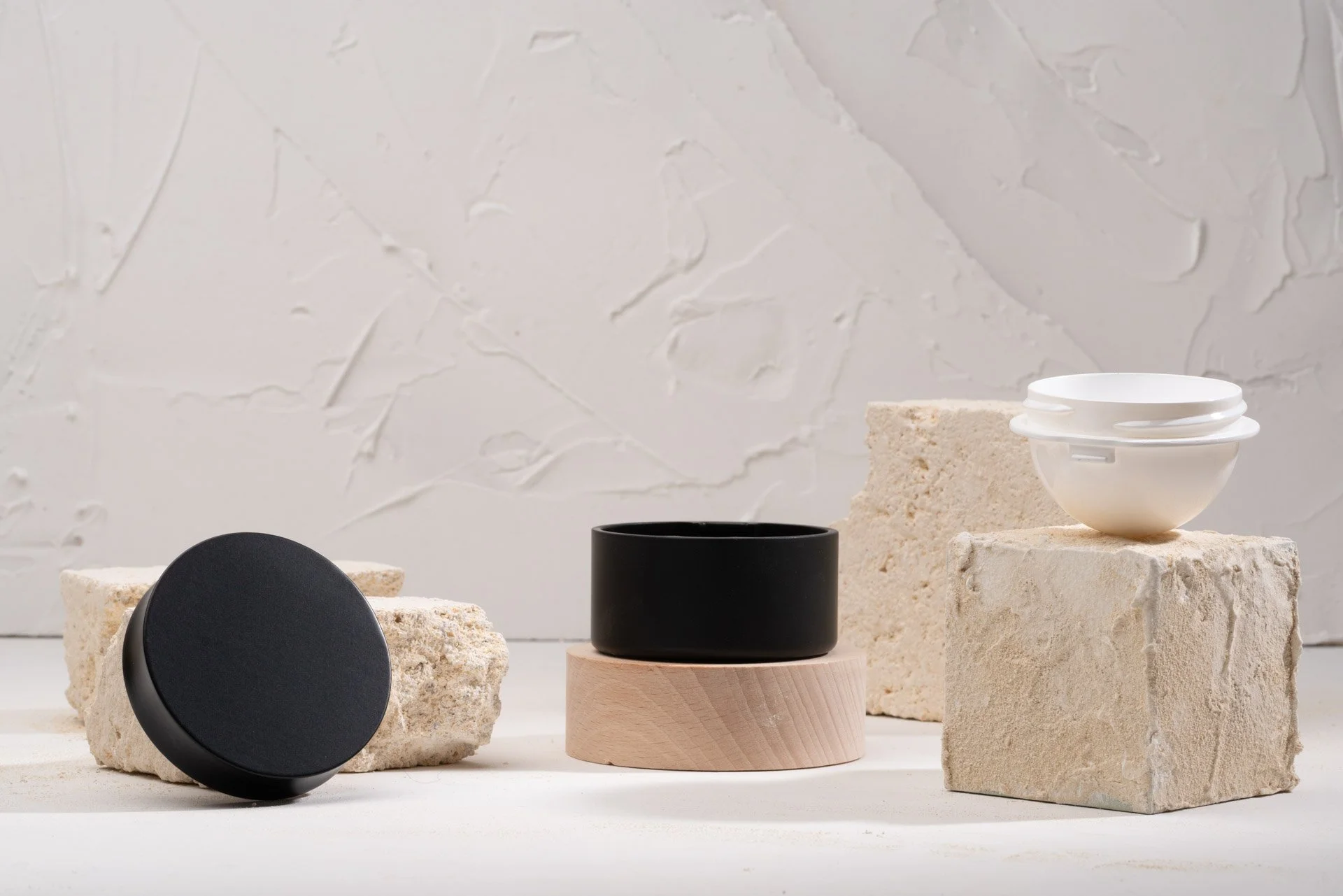
What happens when the packaging lasts longer than the product inside it?
In the beauty industry, this is no longer a theoretical question. More than 120 billion packaging units are produced globally each year and the vast majority follows a linear lifecycle: it is used once and then discarded. According to data from the World Economic Forum, a significant proportion of plastic packaging remains in the environment for decades, or even centuries, while industry research suggests that up to 95 per cent of cosmetic packaging becomes waste after a single use.
At the same time, consumer expectations are changing rapidly. Refillable formats are gaining traction as a way to make products more sustainable and to change the way they are structured. The global refillable packaging market is projected to grow steadily in the coming years, driven by growing consumer awareness, regulatory pressure and the imperative to minimise material usage throughout product lifecycles.
However, the real shift goes deeper than the numbers suggest.
Refillable packaging introduces a different design logic. The focus shifts from a single-use item to a system that evolves over time. Materials, components and interfaces must be designed to withstand repeated use, maintain performance and preserve the product's perceived quality across multiple cycles.
Let's explore how refillable packaging is changing the way cosmetics are packaged.
Why is refillable packaging redefining the design of cosmetic packaging?
Refillable packaging introduces a new way of thinking about products. The focus shifts from a disposable object to a structure designed to last, with only parts of it being replaced over time. It is not only the format that changes, but also the logic behind how packaging is conceived from the outset.
The durable outer component becomes the constant element of the experience. This is the part that is held, opened, stored and remembered. The weight, material quality and mechanical precision of the packaging become more important because they are experienced repeatedly. Over time, the packaging becomes familiar and reinforces the product's identity through use.
This makes a big difference to how things look. A refillable system requires materials and construction that can maintain their integrity across cycles, naturally elevating the product's positioning. The object is expected to last, perform consistently and retain its aesthetic and tactile qualities. Consequently, packaging moves closer to the logic of durable goods than that of consumable accessories.
Refill is not just an additional feature. It redefines the role of packaging, turning it into a system in which longevity, interaction and material choices are all designed to work together from the outset.
READ ALSO:
Biodegradable plastic companies leading the green revolution
Key design challenges in refillable skincare packaging
Designing a refillable system requires creating a structure that can perform consistently over time and across multiple use cycles and material interactions. Each component becomes part of a repeated mechanical sequence where precision and reliability are paramount.
The main challenges are:
Sealing and airtightness: the system must preserve formula integrity across repeated openings, preventing leakage, evaporation or contamination while maintaining consistent performance;
Component alignment and interface precision: outer packaging, refill units and closure systems must fit together perfectly. Even minimal misalignment can affect functionality, user perception and long-term durability;
Resistance to repeated opening cycles: threads, inserts and closure mechanisms are subjected to continuous stress. Materials and tolerances must be engineered to maintain performance after dozens or hundreds of uses;
Hygiene and product protection: refillable formats require controlled interaction between the user and the product. Dispensing systems, internal components and refill interfaces must ensure cleanliness and stability over time;
Consistency of user experience: each interaction should feel as precise as the first one. Opening force, tactile feedback and dosing accuracy must remain consistent to reinforce trust in the product.
Material strategies for refillable packaging
Designing a refillable system means assigning a precise role to each material within the overall architecture. The objective is to ensure that the parts exposed to repeated use maintain their integrity over time, while the replaceable elements integrate seamlessly without compromising performance or perception.
Durable outer components
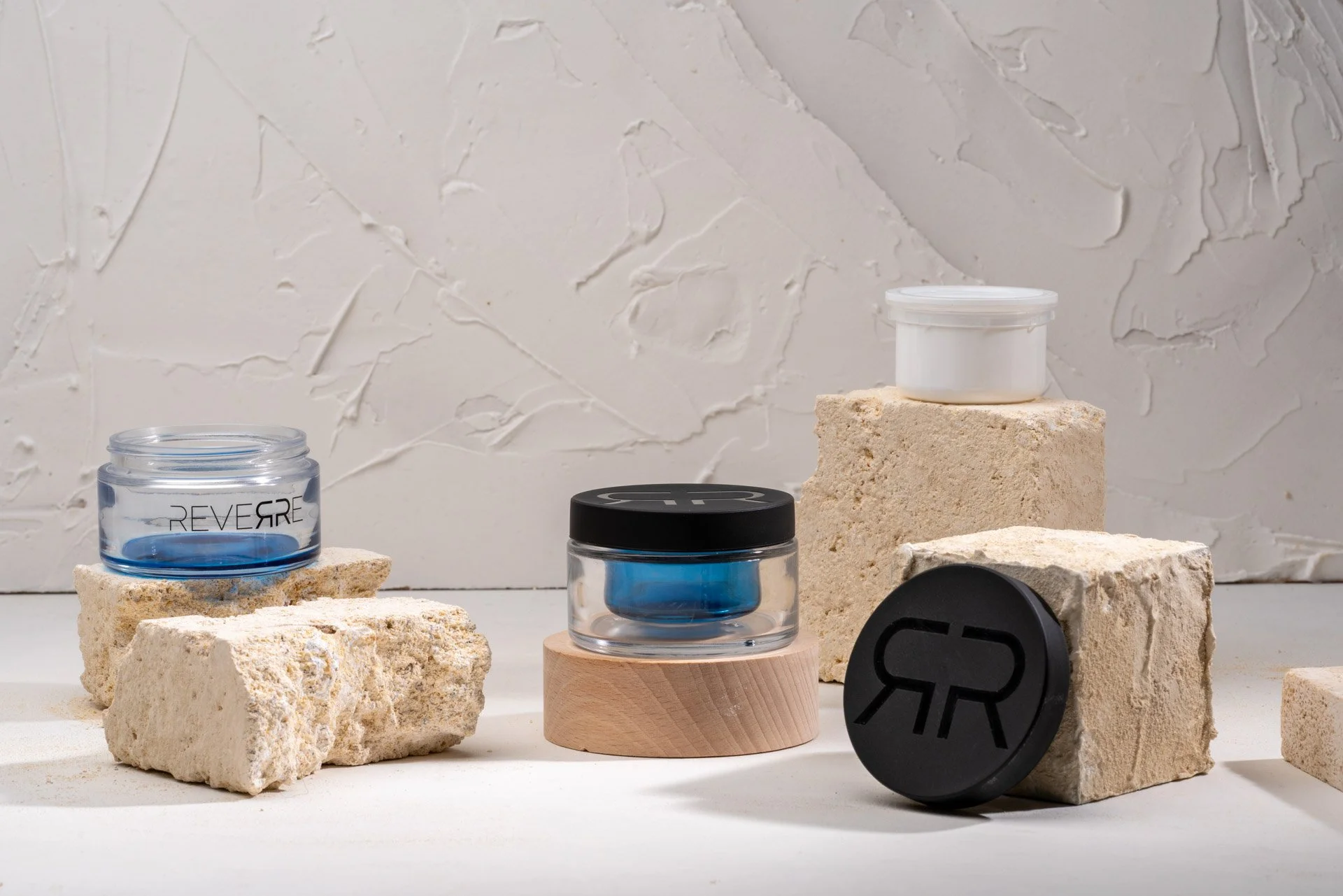
The permanent structure of the packaging is defined by wood and glass. These materials have been chosen for their ability to maintain mechanical stability, visual consistency and tactile quality throughout multiple use cycles.
Glass provides precision, weight control and long-term durability, while properly engineered wood introduces natural variability that enhances perception without compromising functionality. Together, they form an external structure that is built to last in terms of both its technical and sensory qualities.
Replaceable internal components
The internal components of a refillable system are designed to be replaced without compromising the integrity of the outer structure.
This requires precise control over interfaces, dimensions and coupling systems to ensure that each replacement fits correctly and performs as expected.
Rather than being treated as a secondary element, the refill must be considered an integral part of the system from the outset to ensure consistent usability and alignment throughout every cycle.
Material compatibility
The performance of different materials interacting with each other depends on how well they are engineered to work together over time.
The interfaces between wood, glass and functional elements must be able to account for tolerances, repeated stress and environmental variations while maintaining precision across multiple opening and closing cycles.
Long-term stability is therefore a key parameter. Materials must retain their behaviour, avoid deformation and preserve the quality of interaction between components to ensure the system continues to perform as intended.
Designing packaging that evolves over time
Refillable packaging marks a significant shift in the way products are conceived. Performance, material selection and user interaction are now defined not for a single lifecycle, but for a system that must remain coherent over time.
This requires a more integrated approach, with structure, materials and interfaces developed together from the outset. The goal is to reduce material use and create packaging that maintains its quality, precision and identity across repeated interactions.
At mPackting, this logic is applied to the development of complete packaging systems where wood, glass, and engineered components are designed to function as a unified architectural structure. Each project is built around material behaviour, technical feasibility and long-term consistency.
If you are exploring new directions for your packaging, share your concept, constraints and material ambitions with our team.
We will help you develop a technically sound solution that is coherent in its design and ready to evolve with your product.
