

Making your skincare products more sustainable with recyclable packaging
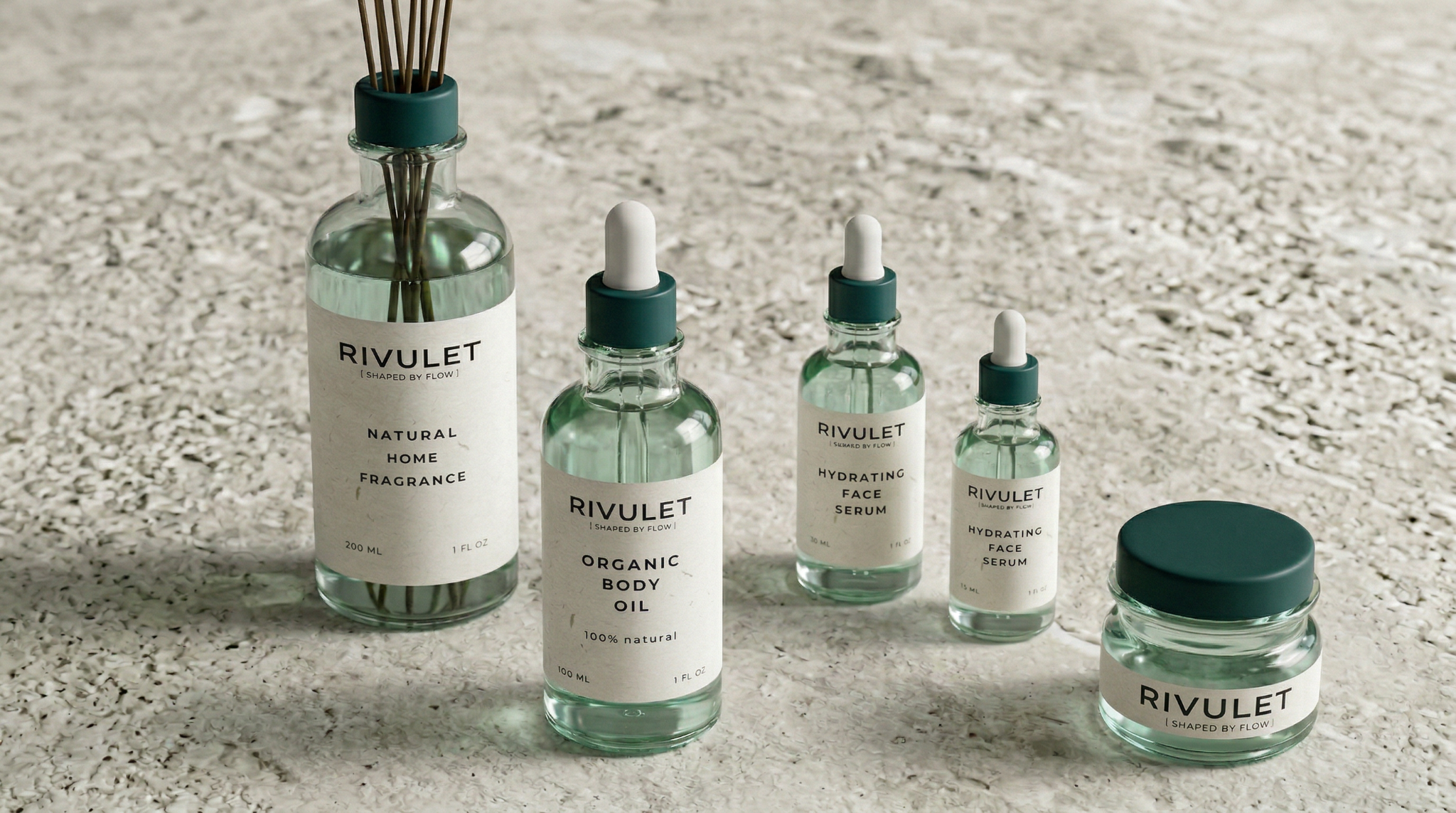
Skincare products are used every day, often multiple times a day. Each application relies on packaging designed to protect and preserve the formula and deliver it with precision. Over time, this creates a continuous flow of materials that extends far beyond the moment of use.
As awareness of environmental impact grows, recyclable packaging is becoming central to how skincare products are designed. It's a real way to cut down on waste and get materials back into the system, making sure that product design is in line with bigger sustainability goals.
The recyclability of cosmetic packaging, however, is not defined by a single material choice. It depends on how materials are selected, combined and engineered within a complete structure. Closures, containers and internal components must work together while remaining compatible with recycling processes, a level of complexity that is often underestimated.
Creating recyclable packaging requires a system-level approach, considering material purity, component integration and production logic from the outset.
What does “recyclable packaging” really mean in the cosmetics industry?
Although recyclability in cosmetic packaging is often associated with the use of specific materials, its actual meaning extends beyond material selection. In skincare, where packaging systems comprise multiple elements that work together, recyclability depends on the design, combination and processing of these elements as a whole.
While a packaging solution may include materials that are technically recyclable, the overall structure can still be difficult to process within existing recycling systems. For this reason, recyclability must be understood as a system property rather than a single attribute.
Material vs system recyclability
Using a recyclable material does not automatically result in recyclable packaging. The effectiveness of recycling depends on how materials are integrated within the structure, and on whether they can be separated, identified, and processed correctly at the end of their life.
In many cosmetic applications, components are permanently assembled using adhesives, coatings or mixed materials that enhance performance but hinder material recovery. These design choices influence how the packaging behaves once discarded, often limiting the ability to reintroduce materials into recycling streams.
A system-based approach addresses this challenge by considering recyclability from the early stages of design. Material compatibility, assembly methods and component reduction then become key factors in determining whether a packaging solution can be recycled effectively.
Effective recycling conditions
Material selection alone is not sufficient for packaging to be effectively recycled. The ability to recycle depends on a set of external and design-related conditions that determine if a product can be processed correctly within existing systems.
Infrastructure is pivotal. The capabilities of collection, sorting and processing systems vary significantly across regions, which influences which materials can actually be recovered and reused on a large scale. A material that is technically recyclable must also be compatible with the systems available in the markets in which the product is sold.
Separability is another key factor. Components that can be easily disassembled or that are designed as part of a simplified structure allow for more efficient sorting and processing. Materials that are combined in ways that prevent separation are significantly less recyclable.
Material purity directly impacts the quality of the recycled output. Clean, single-material streams enable higher-value recycling processes, whereas contamination from mixed materials, additives, or surface treatments can limit the potential for reuse.
Designing for recyclability therefore means aligning materials, structure and assembly with the realities of recycling systems.
Material strategies for recyclable skincare packaging
Developing recyclable skincare packaging necessitates a material strategy that considers the sourcing, engineering and integration of materials within a system.
At mPackting, materials are selected and developed with this logic in mind, combining technical performance with a controlled approach to composition and lifecycle.
Bio-based materials with recyclable potential
Bio-based materials are an important development for recyclable packaging, particularly when they are derived from secondary resources rather than virgin raw materials. Using by-products from industrial processes, such as wood residues, enables materials to be reintroduced into a new cycle, thereby reducing dependency on fossil-based sources.
In this regard, biopolymers are engineered to exhibit predictable behaviour. Their composition, density, and structure are defined according to the functional requirements of the packaging to ensure consistent performance while maintaining compatibility with recycling processes.
The result is materials that can act as a viable alternative to traditional plastics, offering technical reliability alongside a more responsible origin.

Rivulet: bio-based materials and controlled composition
The Rivulet collectionexplores the use of bio-based polymers derived from wood processing residues, transforming industrial by-products into functional packaging components.
Material composition is carefully defined to achieve controlled behaviour, allowing properties such as rigidity, surface quality and durability to be tailored to the application.
This level of control ensures that performance remains consistent while supporting a more responsible material origin.
Colour is integrated directly into the material, eliminating the need for additional coatings and maintaining a cleaner material structure. This approach supports both design precision and compatibility with recycling processes.
Surface finishes are engineered to create a soft-touch effect, enhancing the tactile experience without introducing external layers. The result is a material system where aesthetics, performance and recyclability are developed together within a coherent design logic.
How can brands improve packaging recyclability?
Improving packaging recyclability requires a combination of material awareness, design precision and production choices that align with real-world recycling systems.
Brands can approach this process through a set of practical strategies:
Prioritise mono-material structures: reducing the number of materials simplifies sorting and increases compatibility with recycling streams;
Select materials with proven recycling pathways: materials should be chosen based on their actual recyclability within existing infrastructures, not only on theoretical properties;
Design for easy disassembly: components that can be separated allow materials to be processed more efficiently and maintain higher quality after recycling;
Reduce or eliminate adhesives and complex bonding: mechanical solutions improve material purity and support cleaner recycling processes;
Integrate colour and finishes into the material: avoiding external coatings helps maintain consistency in material composition and improves recyclability.
Optimise material usage and thickness: lower material mass supports more efficient processing and reduces overall resource consumption;
Ensure compatibility between components: when multiple materials are required, their interaction should be carefully designed to avoid contamination;
Consider the full lifecycle from the start: packaging should be developed with both performance and end-of-life behaviour in mind, as part of the same design logic.
At mPackting, we support brands in developing packaging systems where recyclability is integrated into the design from the beginning, combining material expertise with industrial capabilities.
Get in touch at mpackting.com to explore your next packaging solution.
