

EU PPWR: Understanding the new regulations in cosmetic packaging
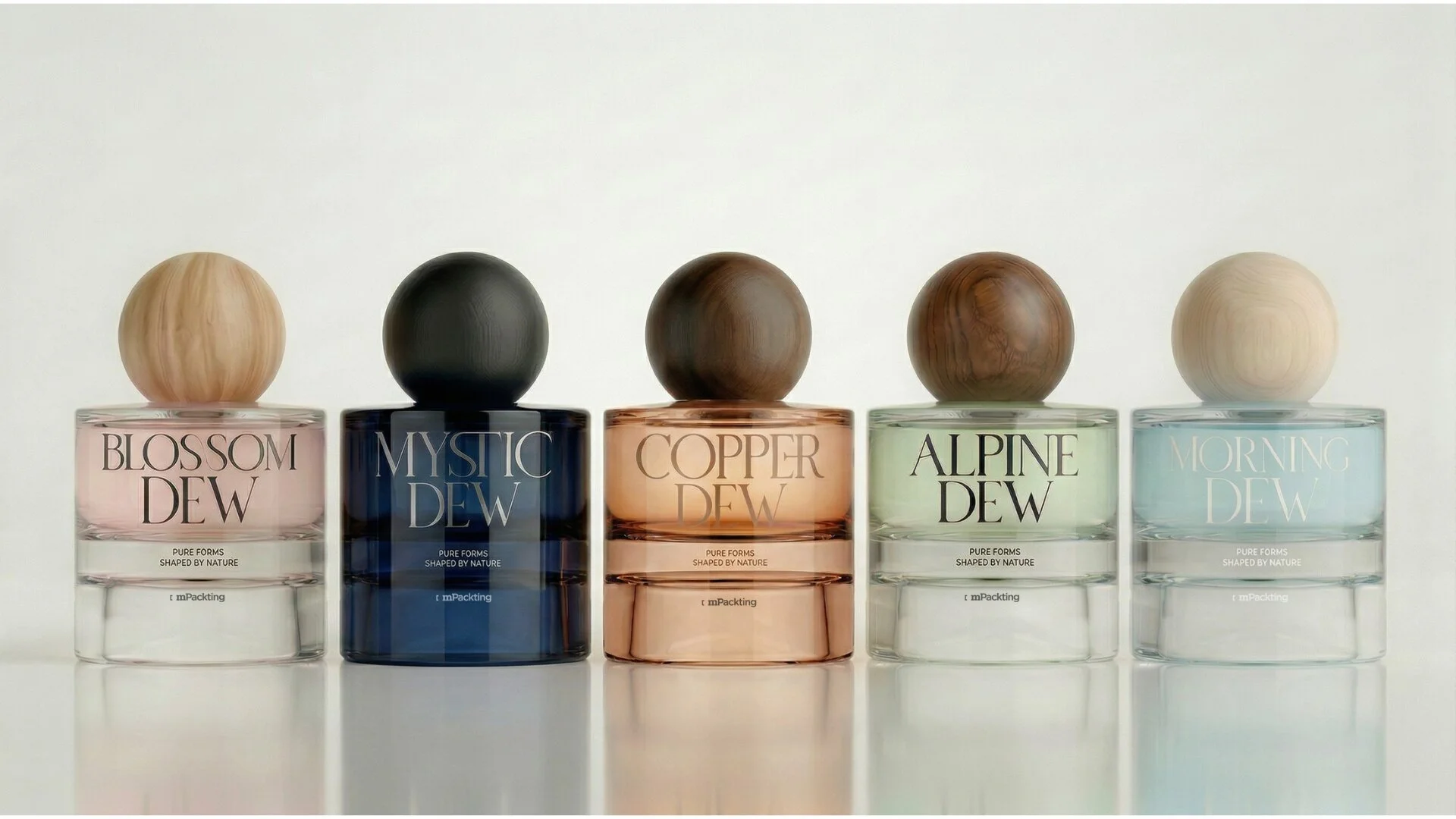
The PPWR (Packaging and Packaging Waste Regulation) is one of the most significant changes that the European packaging industry has experienced in recent years. Introduced as part of the European Union’s circular economy strategy, the regulation establishes new rules aimed at reducing packaging waste and improving recyclability, while encouraging more responsible material systems throughout the entire packaging lifecycle.
If you are a cosmetics brand, this transition is particularly pertinent. Beauty packaging has always carried strong aesthetic and sensory value, becoming part of the product experience itself. At the same time, however, skincare and fragrance packaging often relies on complex, multi-material structures, decorative finishes and technical components that hinder recyclability. As the PPWR moves the industry towards stricter recyclability and design-for-recycling requirements, the development of packaging is becoming a much more strategic process.
According to the new regulation, all packaging placed on the European market will need to be designed for recycling by 2030. By 2035, it will also need to be proven that it can be recycled at scale using existing collection and recycling infrastructures. The regulation also introduces requirements relating to material minimisation, packaging separability, recycled content and reducing substances of concern.
In this article
What is the PPWR regulation?
Main goals of the PPWR
Key PPWR deadlines beauty brands should know
How beauty brands can prepare for the PPWR
At mPackting we develop PPWR-ready packaging solutions
FAQ about the EU PPWR
What is the PPWR regulation?
The PPWR (Packaging and Packaging Waste Regulation) is the new European regulatory framework developed to transform the design, production and management of packaging across the European Union. Published as Regulation (EU) 2025/40, the PPWR is part of the EU's broader strategy for a circular economy and resource efficiency. Its objective is to reduce packaging waste and improve the sustainability of packaging systems throughout their entire lifecycle.
The regulation introduces new requirements relating to recyclability, minimising packaging, reusable systems, material composition and waste management. The regulation applies across packaging sectors, including cosmetics, skincare, and fragrances.
From Directive to Regulation
One of the most important aspects of the PPWR is its legal structure. Unlike a directive, which requires each Member State to translate European objectives into national laws, a regulation applies directly and uniformly across all EU countries.
This distinction significantly changes how we implement packaging requirements. Regulation (EU) 2025/40 establishes a shared framework with common obligations across the entire European market, creating more consistent standards for the packaging industry.
For your brand, this means that recyclability, material reduction and design-for-recycling principles are becoming concrete operational requirements that will directly influence how packaging is developed, sourced, and commercialised.
The regulation came into force on 11 February 2025, with its provisions starting to apply on 12 August 2026.
Main goals of the PPWR
The PPWR is built around a series of objectives aimed at transforming how packaging is designed, produced and managed across Europe. The regulation promotes a more circular approach where materials, structures and waste management systems are developed as part of the same ecosystem.
Its main goals include:
Reducing packaging waste: limiting unnecessary packaging and encouraging more efficient structures with lower environmental impact;
Reducing the use of virgin raw materials: supporting the transition toward recycled, renewable and alternative material sources;
Making packaging recyclable by design: ensuring packaging systems are conceived to facilitate collection, sorting and recycling processes;
Promoting reusable packaging systems: encouraging packaging designed for multiple use cycles whenever possible;
Minimising packaging weight and volume: optimising thickness, mass and structural complexity while maintaining functionality and product protection;
Supporting the transition to a circular economy: keeping materials in circulation for longer and reducing dependency on linear production models based on disposal.
Key PPWR deadlines beauty brands should know
The PPWR introduces a progressive transition timeline that will transform the development, evaluation and commercialisation of cosmetic packaging across Europe. Here are the main milestones.
2026: first PPWR provisions start applying
Although the PPWR entered into force on 11 February 2025, its provisions will start applying progressively from 12 August 2026.
The first phase includes the introduction of various requirements relating to packaging composition, compliance and information management:
Restrictions on certain substances used in packaging: the regulation introduces new requirements concerning substances of concern, including specific limitations related to PFAS in packaging applications;
Additional technical documentation requirements: companies will increasingly need to provide information related to packaging composition, conformity and environmental performance;
Greater attention to material selection and packaging design: packaging systems will progressively need to align with the sustainability principles established within the new regulatory framework.
At this stage, the PPWR begins establishing the operational foundation for the broader recyclability and circularity requirements that will become progressively more relevant over the following years.
2030: packaging will need to comply with recyclability requirements
From 1 January 2030, packaging placed on the European market will need to comply with the recyclability requirements introduced by the PPWR.
Several principles become central within this new framework:
Design for recycling: packaging will need to be developed according to criteria that facilitate effective collection, sorting and recycling processes;
Recyclability performance evaluation: packaging systems will be assessed through recyclability performance classes, designed to measure how efficiently materials can be processed within existing recycling infrastructures;
Weight and volume minimisation: packaging design will increasingly focus on reducing unnecessary material usage while maintaining product protection, functionality and technical performance.
Within this context, packaging development becomes a much more integrated process where material selection, component compatibility and structural simplification directly influence future compliance and long-term packaging viability.
2035: your packaging will need to prove recyclability at scale
From 1 January 2035, the PPWR moves beyond design-for-recycling. Your packaging will need to be recyclable at scale, meaning it must be compatible with real collection, sorting and recycling infrastructures.
This means working on:
Collection compatibility: your materials must fit existing recovery streams;
Sorting efficiency: your components need to be identifiable and processable in industrial sorting systems;
Real recycling infrastructure: your packaging must move through established recycling chains at sufficient scale.
The PPWR also introduces material-specific thresholds for recycled at scale assessment:
30% for wood packaging materials
55% for other packaging materials
2038: your packaging will need stronger recyclability performance
From 1 January 2038, the PPWR will become more selective on recyclability performance.
Your packaging will need to align with higher recyclability grades, with stronger pressure on materials, structures and assembly choices.
This means focusing on:
material compatibility;
simplified structures;
separable components;
reduced problematic material combinations;
packaging architectures aligned with recycling systems.
How beauty brands can prepare for the PPWR
Preparing for the PPWR requires a more integrated approach to packaging systems, considering materials, structure and end-of-life behaviour from the earliest development stages.
For your brand, this transition is also an opportunity to improve packaging efficiency, ensure consistent materials and develop solutions that respond better to the evolving expectations of the beauty market.
Several actions can help you prepare more effectively for the new framework:
Audit your current packaging portfolio: analyse materials, component structures and assembly systems to identify elements that may create recyclability or separability issues;
Reduce unnecessary multi-material structures: simplifying packaging architectures can improve sorting, recycling compatibility and overall material efficiency;
Choose certified and traceable materials: FSC-certified wood, controlled supply chains and bio-based alternatives can support a more transparent and responsible material strategy;
Design with separability in mind: components that can be easily separated simplify recycling processes and improve material purity within recovery systems;
Evaluate recyclability performance early: considering recyclability criteria during the concept phase helps avoid structural limitations later in development;
Collaborate with specialised packaging partners: working with partners experienced in material engineering, packaging systems and sustainable design can help you anticipate future requirements more efficiently.
At mPackting we develop PPWR-ready packaging solutions
At mPackting, the PPWR is part of how we already approach packaging development. Material selection, component interaction and assembly systems are designed with attention to recyclability, separability and material efficiency from the very beginning.
Our work focuses on creating packaging systems where sustainability requirements, industrial feasibility and aesthetic quality evolve together within the same design logic.
WoodPin™: simplified wood-and-cork closure system
WoodPin™ was developed to simplify closure structures while preserving the tactile and visual qualities of natural wood.
The system combines a wooden cap with a cork insert assembled through a mechanical solution that avoids the use of glue. This approach improves component separability and supports a cleaner material structure aligned with design-for-separation principles.
Reducing unnecessary material combinations also contributes to greater material purity, making the packaging architecture more coherent with the recyclability goals introduced by the PPWR.
At the same time, the closure maintains the precision and consistency required for premium cosmetic applications.
Corkfit and WoodRing™
Solutions such as Corkfit and WoodRing™ have been developed to minimise the use of unnecessary plastic components while maintaining technical performance and consistent production.
Designed around simplified material architectures and optimised structures, these closure systems help reduce overall packaging complexity.
Weight reduction, material efficiency and component compatibility all contribute to creating packaging systems that are more aligned with the principles introduced by the PPWR, particularly with regard to minimising packaging and designing for recycling.
Thanks to these solutions, your packaging can combine premium aesthetics and functional reliability with a more advanced approach to material sustainability.
Bio-based materials
Alongside wood-based solutions, mPackting is also investing in advanced bio-based materials developed from wood processing residues and secondary raw materials.
These materials are designed as alternatives to fossil-based plastics, transforming industrial by-products into functional packaging components with controlled technical and sensory properties.
Their composition can be adjusted according to the intended application, allowing greater control over:
structural performance;
surface quality;
tactile perception
colour integration
material behaviour over time
Biodegradability is approached through a controlled material strategy, where thickness, density and formulation are carefully evaluated according to the packaging application and lifecycle requirements.
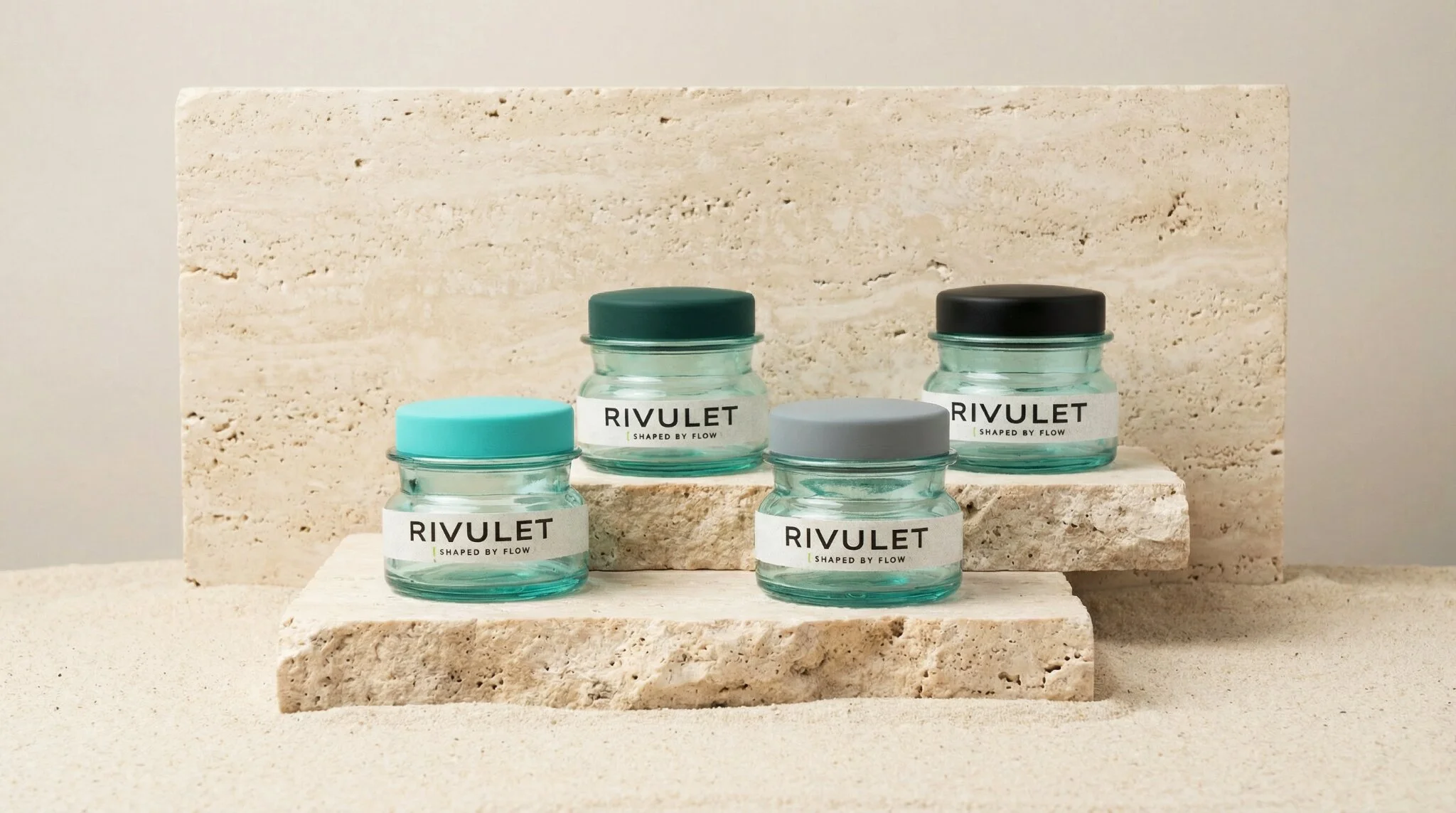
This philosophy is naturally reflected in collections such as Rivulet, where trace-free biopolymers are combined with integrated colour systems and engineered soft-touch surfaces to create packaging experiences that merge aesthetics, material research and sustainability within the same design approach.
At mPackting, we support beauty brands in developing packaging systems designed around material intelligence, advanced aesthetics and long-term sustainability strategies. From FSC-certified wood solutions to bio-based materials and design-for-separation technologies, our approach combines creativity, engineering and packaging expertise within the same development process.
If you are exploring new packaging strategies aligned with the PPWR, our team can help you develop solutions tailored to your product, positioning and material goals.
Discover more at mPackting or contact our team to develop your next PPWR-ready packaging solution.
FAQ about the EU PPWR
What does PPWR mean in the packaging industry?
PPWR stands for Packaging and Packaging Waste Regulation, the new European regulatory framework developed to transform how packaging is designed, produced and managed across the European Union.
The regulation is part of the EU circular economy strategy and introduces new requirements aimed at reducing packaging waste, improving recyclability and encouraging more efficient material systems throughout the entire packaging lifecycle.
Unlike previous directives, the PPWR applies directly across all EU Member States, creating a more uniform framework for companies working with packaging materials, production and waste management.
When will the PPWR enter into application?
The PPWR officially entered into force on 11 February 2025, while its provisions will progressively start applying from 12 August 2026.
The regulation follows a gradual implementation timeline, with additional requirements becoming increasingly relevant between 2030 and 2038.
From 2030, packaging placed on the European market will need to comply with recyclability requirements and design-for-recycling criteria. From 2035, packaging will also need to demonstrate recyclability at scale through existing collection and recycling infrastructures.
What are the targets for the PPWR?
The PPWR establishes several targets aimed at reducing packaging waste and supporting the transition toward a circular economy across Europe.
Some of the main objectives are:
reducing overall packaging waste generation;
minimising the use of virgin raw materials;
improving packaging recyclability;
encouraging reusable packaging systems;
reducing unnecessary packaging weight and volume;
increasing compatibility with collection and recycling infrastructures.
The regulation also introduces progressive recyclability requirements over time.
From 2030, packaging placed on the European market will need to comply with recyclability requirements and design-for-recycling criteria. By 2035, packaging will also need to demonstrate recyclability at scale through existing collection, sorting and recycling systems.
The framework defines recycling-at-scale thresholds for different material categories, including:
30% for wood packaging materials
55% for other packaging materials
From 2038 onwards, stronger recyclability performance standards will progressively increase the pressure on packaging systems with lower recyclability performance.
What does the PPWR change for cosmetic packaging?
The PPWR changes the way cosmetic packaging is developed by placing greater attention on recyclability, material efficiency and packaging simplification.
Traditionally, beauty packaging has often relied on complex multi-material structures, decorative finishes, coatings and technical components designed to maximise aesthetic impact and product experience. Under the new framework, these elements must increasingly coexist with recyclability and circularity requirements.
Is wood packaging compatible with the PPWR requirements?
Wood is recognised within the PPWR framework as a packaging material and can align well with recyclability and circularity principles when properly designed and sourced.
Its renewable origin, natural material identity and compatibility with existing recovery systems make it an increasingly relevant option within sustainable packaging strategies.
At the same time, the way wood components are engineered plays an important role. Simplified structures, reduced material combinations and glue-free assembly systems can improve material separability and contribute to cleaner recycling streams.
